
Resources
Learn the sport
Everything you need to know about powerlifting, from how the lifts are judged to what to pack for your first meet.
Powerlifting 101
Squat. Bench. Deadlift.
Powerlifting is a strength sport built on three lifts. At a meet you get three attempts at each, judged by three referees. Here's how each lift is judged under the IPF Technical Rules.
Lights and cards
Each of the three referees shows a white light for a good lift or a red light for no lift. You need at least two white lights. A referee who gives a red light also raises a coloured card to show why.
Squat
Bend your knees and lower your body until the top surface of your legs at the hip joint is below the top of your knees, then stand back up.
Referee commands
Why a lift fails
- Not deep enough: the top of your legs at the hip joint doesn't drop below the top of your knees.
- Not standing upright with knees locked at the start or finish.
- Double bouncing, more than one recovery attempt at the bottom, or any downward movement on the way up.
- Stepping or moving your feet (rocking between ball and heel is allowed).
- Not following the Chief Referee's signals.
- Spotters touching you or the bar between signals, or your elbows or upper arms supporting you on your legs.
- Dropping or dumping the bar after the lift, or an incomplete lift.
Bench Press
Lower the bar to your chest or abdomen, hold it still until the press command, then press to full lockout. Head, shoulders, and glutes stay on the bench, and feet stay flat on the floor.
Referee commands
Why a lift fails
- Bar not lowered to the chest or abdomen, or touching the belt.
- Elbows not lowered level with or below the top of the shoulder joints.
- Any downward movement of the whole bar during the press.
- Not pressing to full lockout, or arms not locked before the start command.
- Heaving or sinking the bar after it's motionless, or using upper-body thrust to start the press.
- Not following the Chief Referee's signals.
- Changing position: head, shoulders, or glutes lifting off the bench, or hands moving on the bar.
- Feet touching the bench or its supports, spotter contact, or an incomplete lift.
Deadlift
Pull the bar from the floor until you're standing erect with knees locked and shoulders back, then lower it to the platform under control after the down command.
Referee commands
Why a lift fails
- Knees not locked at the finish.
- Not standing erect: the front of your shoulders should finish behind the bar.
- Any downward movement of the bar before the finish (the bar settling as your shoulders come back is fine).
- Supporting the bar on your thighs (“hitching”). The bar edging up your thighs without being supported is fine.
- Lowering the bar before the down command.
- Not controlling the bar back to the platform with both hands.
- Stepping or moving your feet (rocking is allowed, and moving after “Down” is fine), or an incomplete lift.
How a Total works
Example meet, in kgWeight classes
You compete against lifters in your weight class, based on your weigh-in.
Men
Sub-Juniors and Juniors also have a 53 kg class.
Women
Sub-Juniors and Juniors also have a 43 kg class.
Age divisions
Divisions follow the calendar year: you move up on January 1 of the year you reach the next age.
Classic vs. Equipped
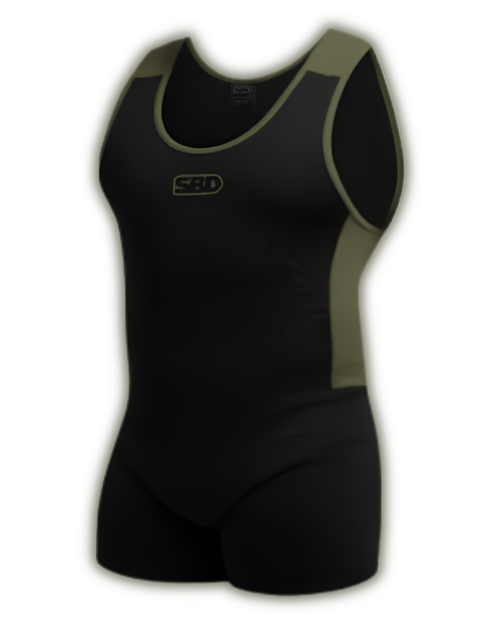
Most lifters compete Classic (also called raw): a singlet and t-shirt, with a belt, knee sleeves, and wrist wraps allowed. Equipped lifters also wear supportive squat and deadlift suits, bench shirts, and knee wraps. Either way, your gear must come from manufacturers on the IPF Approved List.
How attempts and scoring work
The bar is always loaded in multiples of 2.5 kg, and each attempt must go up by at least 2.5 kg (or repeat a missed weight). You have one minute after the lights to submit your next attempt, and once a second attempt is submitted it can't be changed. Best-lifter awards are decided with IPF GL Points, which compare lifters across bodyweights.
Your first meet
Show up ready
A great first meet starts weeks before meet day. Get your membership, anti-doping course, registration, and gear sorted early, and pack the night before, so you're not scrambling on meet day. All you should have to think about is lifting.
1. Become a CANPL member
You need an active Canada Powerlifting (CANPL) membership to compete. Elite lets you compete at provincial, regional, national, and IPF events and set national records. Performance is for provincial meets only.
2. Complete your anti-doping course
Every athlete must complete Sport Integrity Canada's online anti-doping course (Clean Sport) every year before competing. Your membership won't be activated until it's done. Returning members take the shorter Clean Sport Review.
3. Register for a meet
Find upcoming meets on the SPA and CANPL websites. Register early, since meets often fill up, and pick one that gives you enough time to prepare.
4. Check your gear
Your singlet, belt, and knee sleeves must come from a manufacturer on the IPF Approved List. See the Equipment section below for what's allowed.
What to pack
Documentation
- CANPL membership (screenshot or printout)
- Clean Sport course completion certificate
- Photo ID
Competition kit
- IPF-approved singlet
- T-shirt to wear under your singlet (required)
- Shin-length socks for deadlift (required)
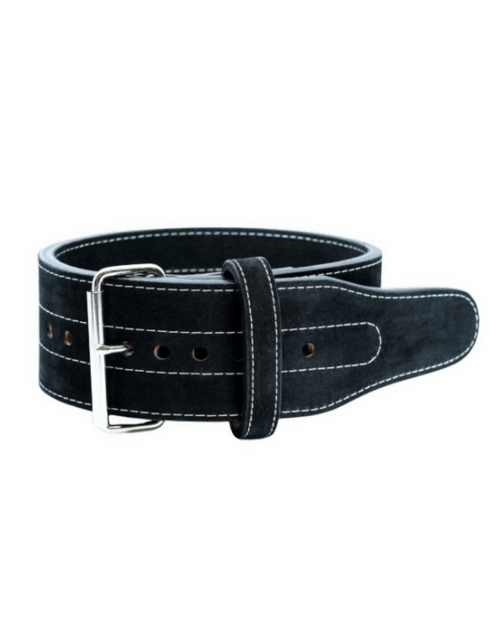
- Approved belt, knee sleeves, and wrist wraps, if you use them
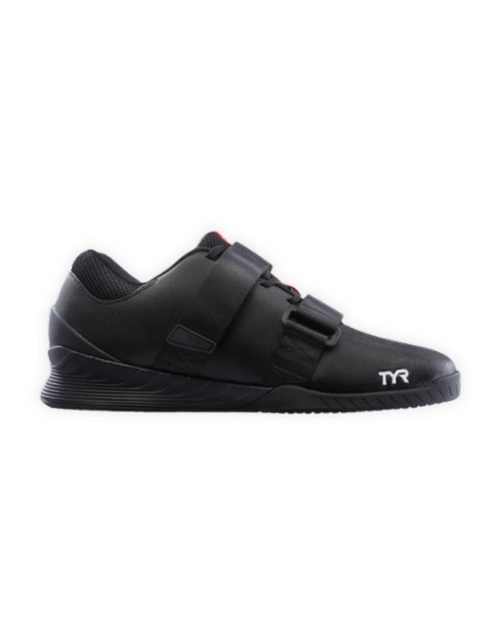
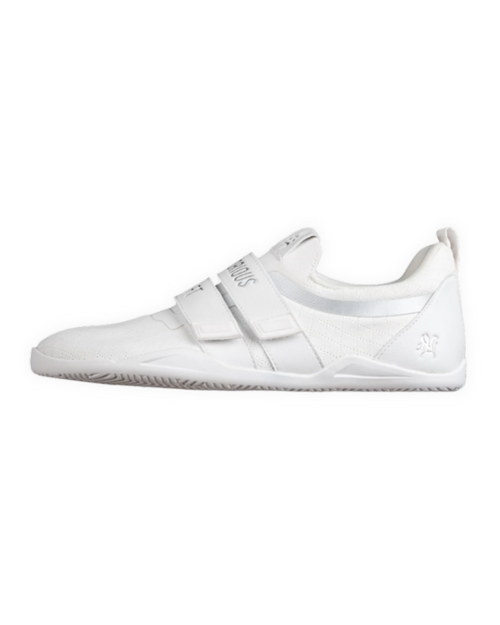
- Indoor sports shoes, properly laced
Meet-day fuel
- Easy-to-digest snacks you've trained with
- Water and electrolytes
- Something to eat right after weigh-ins
Comfort
- Warm layers or a hoodie for the warm-up room
- Towel, headphones, and a phone charger
Meet-day timeline
- 2 hours out
Weigh-ins open
Weigh-ins start no earlier than two hours before your session and run for 1.5 hours. You'll declare your rack heights and opening attempts.
- After weigh-ins
Eat and settle in
Refuel with food you know sits well. Find your flight and know roughly when you lift.
- ~30–45 min before
Warm up
Time your warm-ups to your flight with your coach so your last warm-up lands a few lifters before your opener.
- On the platform
Squat → Bench → Deadlift
Three attempts each. You have one minute after the lights to submit your next attempt.
- After your last pull
Total and awards
Your best squat, bench, and deadlift add up to your Total. Celebrate it — you earned it.
Equipment
Meet Day Kit
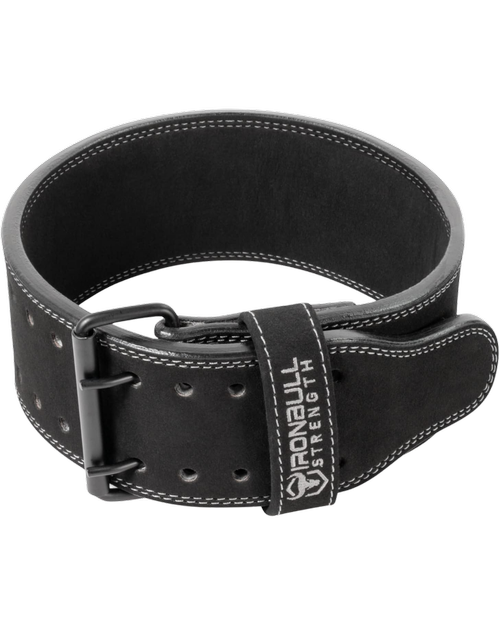
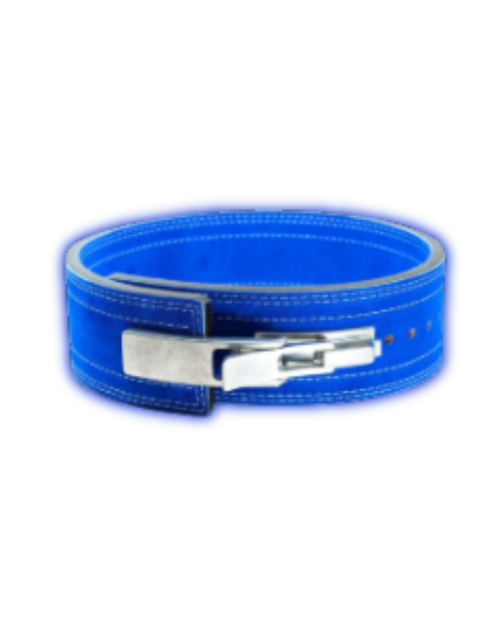
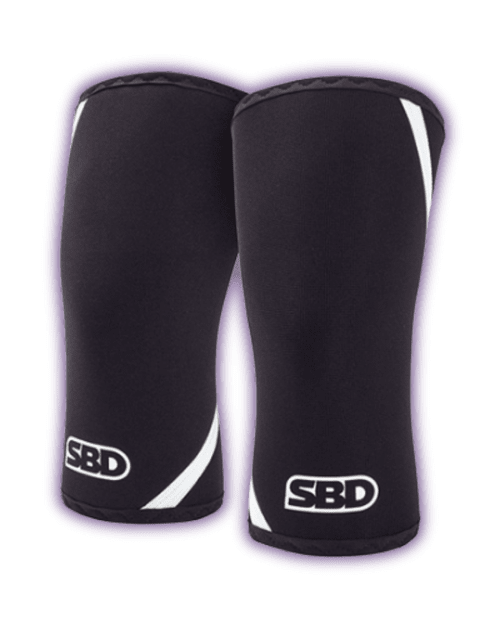
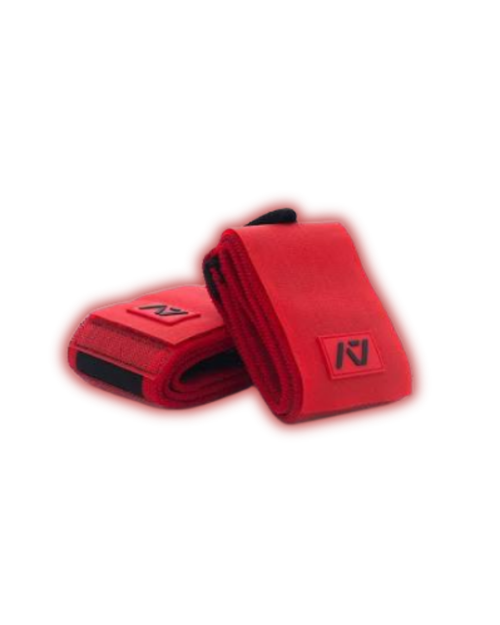
Every piece of personal gear must meet the IPF Technical Rules, and singlets, belts, and knee sleeves must come from manufacturers on the IPF Approved List. Here's what Classic lifters need to know.
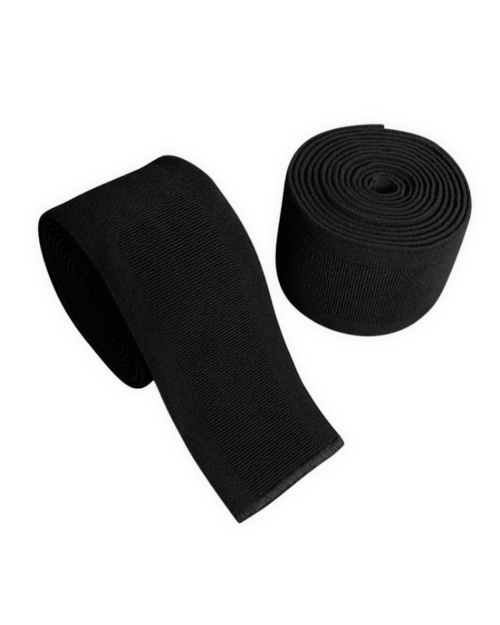
T-shirt
RequiredWorn under your singlet for all three lifts.
Deadlift socks
RequiredShin-length socks must cover your shins for the deadlift. Full-length tights are not allowed.
Brands shown are examples only. Always check that your exact gear is on the IPF Approved List before you buy.
Not allowed
- Knee wraps, supportive suits, and bench shirts in Classic competitions
- Hats on the platform
- Oil, grease, or lubricants on your body or gear
- Adhesive or chalk on the soles of your shoes (a spray of water is fine)
- Full-length tights or stockings
- Wrist wraps and sweatbands worn together
Check before you buy
Not every singlet, belt, or sleeve is approved, even from big brands. Check the IPF Approved List before you buy, and bring your gear to the equipment check at the meet.
Chalk and baby powder may be used on your body and clothing, but not on wraps.
Training concepts
The ideas behind your program
A few of the core concepts we use with every athlete, from our BCB Foundations series.
Percentage-based training
Weights are prescribed as a percentage of your one-rep max (1RM), so every set has a clear, objective target. It makes planning simple and progress easy to track.
We often pair percentages with RPE, so the plan adjusts on days you feel stronger or more tired.
RPE (Rate of Perceived Exertion)
A 1–10 scale for how hard a set felt, based on how many reps you had left. It lets your coach adjust your training to how you're actually performing that day.
Recovery
Your training only works if you can recover from it. Sleep, food, and managing stress outside the gym drive how strong and ready you feel.
- Sleep 7–9 hours as often as you can
- Eat enough protein and total food to support training
- Plan lighter weeks (deloads) when fatigue builds
Progressive overload
To keep getting stronger, training has to get gradually harder over time — more weight, more reps, or more quality work.
Periodization and peaking
Training is planned in blocks that build toward a goal. Before a meet, volume comes down and intensity goes up so you show up fresh and strong.
Glossary
Talk like a powerlifter
The terms you'll hear in the warm-up room and on the platform.
- Attempt
- One try at a lift. You get three per lift.
- Bomb out
- Missing all three attempts on one lift, which means no Total.
- CANPL
- Canada Powerlifting, the national federation and Canada's member of the IPF.
- Classic (Raw)
- Competing in a singlet with only a belt, knee sleeves, and wrist wraps allowed.
- Clean Sport
- Sport Integrity Canada's anti-doping course, required every year to compete.
- Commands
- The Chief Referee's calls that start and finish each lift.
- Deload
- A planned lighter week that lets your body recover and adapt.
- Equipped
- Competing in supportive suits, bench shirts, and knee wraps.
- Flight
- A group of lifters who take their attempts together, round by round.
- IPF GL Points
- A score that compares lifters across bodyweights, used for best-lifter awards.
- Kit
- Your competition gear: singlet, belt, sleeves, wraps, and shoes.
- Opener
- Your first attempt. Pick a weight you could hit on your worst day.
- PR
- Personal record: the most you've ever lifted.
- Rack heights
- Your squat and bench rack settings, declared at weigh-in.
- Referee cards
- Red, blue, or yellow cards a referee raises to show why a lift failed.
- Total
- Your best squat, bench, and deadlift added together.
- White / red lights
- Each referee's signal: white for a good lift, red for no lift. You need two whites.
Useful links
Go to the source
Official organizations, rules, and meet information.
 Canada Powerlifting (CANPL) ↗Membership, national rules, records, and events.
 Saskatchewan Powerlifting Association (SPA) ↗Provincial meets, records, and membership.
 International Powerlifting Federation (IPF) ↗The Technical Rulebook and approved equipment list.
 Sport Integrity Canada: Clean Sport ↗The annual anti-doping course required to compete.
 Bridge City Barbell on Instagram ↗Meet results, tips, and our BCB Foundations series.
Rules on this page are a plain-language summary of the 2026 IPF Technical Rulebook. Always check the current IPF Technical Rulebook and your meet's information package before competing.
Ready for your first meet?
We'll plan your training, pick your attempts, and coach you through meet day.